The meticulous Indian skin match
The Indian shade range is one of the most diverse in the world. This isn't just an observation; it's a scientific fact.
This data comes from a research study published in The Book of Modern Cosmetic Dermatology. The study analyzed the skin tones of thousands of women across major ethnicities — Indian, African, Caucasian, Hispanic, and Asian — and plotted their findings into the graph below.

Figure I: A graph that plots the skin tones of women from various ethnicities as a factor of their undertone and shade.
At first glance, this graph looks complex, so let’s break it down.
The vertical Y-axis represents the Shade (from rich to light).
The horizontal X-axis represents the Undertone (golden, red, olive, etc).
Each colored oval represents an ethnicity — purple for Caucasian, red for Hispanic, yellow for Asian, brown for Indian, and black for African.
In the graph, you’ll notice the oval representing Indian skin tones is angled—it’s not straight. This means our undertones vary based on our shade.
This is reflected in our color matrix (Mennmai’s color matrix). The colors form a diagonal pattern—in line with the graph. Demonstrating the scientific finding that undertones shift as the skin tone gets lighter.
Rich


Warm Peach
Golden
Olive
Neutral
Golden Olive
Red
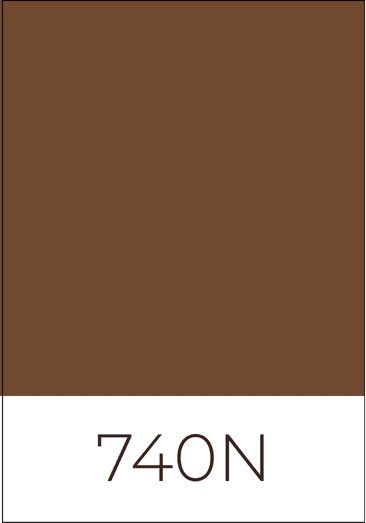


Rich Tan


Tan


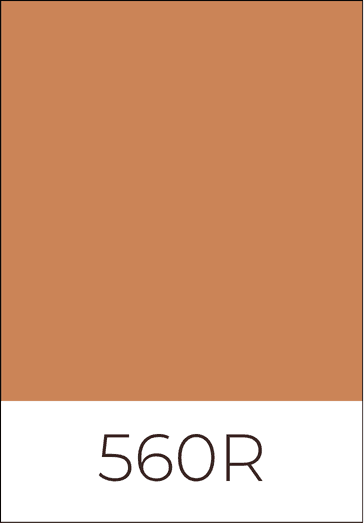
Medium Tan


Medium


Light Tan


Light


Fair
MENNMAI's COLOR MATRIX
Rich
Warm Peach
Golden
Olive
Neutral
Golden Olive
Red
Rich Tan
Tan
Medium Tan
Medium
Light Tan
Light
Fair
MENNMAI's COLOR MATRIX
Figure II: Mennmai's Color Matrix
This unique complexity is also why common undertone tests—like the vein test or the jewelry test—don’t always work for us. Gold suits nearly every Indian, but that doesn’t mean we all share the same undertone.
You see, these undertone tests were developed primarily for Caucasian skin tones. And they worked for them since Caucasians’ have the largest undertone range, and the smallest shade range. Meaning, most of them have a similar skin shade but vary drastically in undertone.

Figure III: Each bar represents the undertone range of each ethnicity.
The opposite is true for us. We have the one of the widest shade range in the world. And our undertones are naturally more nuanced, making them harder to differentiate.
But these nuances matter. Wearing a concealer with an olive undertone when you’re a beautiful gold or red can make you look grey. Wearing one with a golden undertone when you’re a neutral olive can stand out as a pale yellow.
But all this isn’t just data, it’s our reality.
And for way too long the beauty industry has ignored this incredible diversity.
Until now.
At Meṉnmai, we use such data to develop concealers specifically for Indian skin tones.
Now, we understand that this makes it seem like finding your shade is a complex science. But it shouldn’t be a frustrating experiment. It should be a moment of finally being seen for the beautiful, nuanced reality of your skin tone.
So we’ve simplified the entire process. Our color-match quiz and at-home kit, make it easy to find your perfect match — in real, natural light.
Get your color-match today.
You can find the original research chapter published in the Book of Modern Cosmetic Dermatology here.
Fine Print